Looking for real online work that pays? Transcription might just be your perfect starting point.
It’s flexible, beginner-friendly, and totally legit. But to earn more (and stress less), you’ll want to find ways to increase your transcription speed and accuracy from day one.
Whether you’re brand new to transcription or already taking on small jobs, these tips will help you work faster, boost your confidence, and stand out to clients.
Let’s get typing!!

Top 10 Ways to Increase Your Transcription Speed and Accuracy
1. Master Keyboard Shortcuts
Speed is everything in transcription. Learn keyboard shortcuts for pausing, rewinding, fast-forwarding, and inserting timestamps. The less you rely on your mouse, the faster you’ll go.
Bonus Tip: If you use tools like Express Scribe or oTranscribe, they come with built-in shortcuts you can customize.
2. Practice Your Typing Daily
The faster and more accurately you type, the more money you can make. Use free tools like Keybr, Ratatype, or TypingClub to practice your speed and accuracy. Aim for at least 60–70 words per minute (WPM) with high accuracy.
3. Invest in Good Headphones and a Foot Pedal
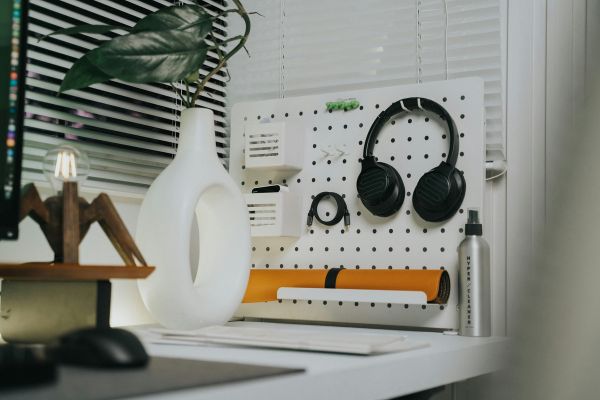
Crisp audio = fewer mistakes. A good pair of noise-cancelling headphones can make a huge difference. A foot pedal lets you pause and play audio hands-free, saving loads of time.
4. Use Transcription Software
Programs like Express Scribe, Descript, or Otter.ai can help you transcribe more efficiently. Even if you’re transcribing manually, having software that supports hotkeys and auto-backup is a game changer.
5. Use Grammarly (or Another Grammar Checker)
Tools like Grammarly help catch grammar or spelling errors before you submit a file. It’s like having a second pair of eyes—and helps improve your accuracy over time.
6. Set Up a Distraction-Free Workspace
You’ll work faster when you’re focused. Turn off notifications, close extra tabs, and set a timer (like the Pomodoro method) to stay productive in short bursts.

7. Use Templates, Text Expanders & Macros
If you find yourself typing the same things often—like speaker labels or intros—use tools like TextExpander, PhraseExpress, or built-in macros in your word processor to save time.
8. Proofread Before You Submit
Even if you’re fast, take 5 minutes to read through your work before sending it off. You’ll catch small errors and make a stronger impression on clients—which leads to more work.
9. Get Feedback and Keep Learning
Join transcription communities, take online quizzes, or even submit practice jobs for feedback. Use platforms like Transcribe Anywhere for structured training and hands-on practice.
Pro Tip: Their free mini-course is a great way to test if transcription is right for you.
👉 Start the free Transcribe Anywhere mini-course → Click Here
10. Tailor Your CV to Transcription Work
Clients and companies want to see clarity and confidence. Update your resume to include-
- Typing speed and accuracy (e.g. 70 WPM @ 98%)
- Tools you know (e.g. Express Scribe, Grammarly, Google Docs)
- Examples of past work (even if it’s just practice or volunteer)
- A short blurb about your attention to detail and turnaround times
Even a basic CV can shine when it’s clear and client-focused.

Keep Going: Build Skills and Momentum
Building transcription skills takes time, but consistency is everything. Don’t get discouraged if you’re not lightning fast right away. The more you practice, the more efficient and accurate you’ll become—and that momentum builds your confidence. Think of each file you complete as one more step toward your long-term income goals.
Expect a Learning Curve (and That’s Okay)
It’s totally normal to feel slow or unsure in your first few weeks. Most transcriptionists take time to find their flow. What matters most is your commitment to learning and improving. With every job you complete, you’ll type faster, make fewer mistakes, and feel more prepared to take on better-paying gigs.
Build Your Own Transcription Toolkit
As you grow, it helps to build your own “transcription toolkit.” This might include your favorite headphones, shortcut cheat sheets, go-to proofreading tools, and a list of templates. Having your setup ready makes it easier to jump into work and reduces decision fatigue—especially on busy days.
Remember to stay the course. Don’t give up, building your own online income takes time, skills and patience. If you want to go a little fast, completing a course like Transcribe Anywhere can really help as they set you up for success and know where the good clients are! Not sure? Check out their FREE Workshop.
Increase Your Transcription Speed and Accuracy & Start Earning More
The better you get at transcription, the faster you can finish jobs—and the more you can earn. Each of these tips is something you can start today to increase your transcription speed and accuracy and get more confident as a remote worker.
If you’re serious about building real online income from home, transcription is a solid place to start. And with the right tools, training, and mindset—you’ve got this.
👉 Check out the free transcription mini-course from Transcribe Anywhere → Click Here
Want more flexible job ideas? Head to our Flexible Remote Work hub to explore what else is out there!